

Modern lifestyles have increased the demand for lightweight textiles that offer comfort without bulk. Products such as lightweight blankets, throws and bedsheets are preferred for their ease of use, portability and breathability. These textiles are ideal for homes, travel, hotels and warmer regions. Lightweight fabrics also dry faster, making them practical for daily use and commercial applications. Despite being light, quality weaving ensures strength and durability. This shift highlights how textile manufacturing continues to evolve with changing consumer preferences while maintaining performance and comfort. K
Similar Posts

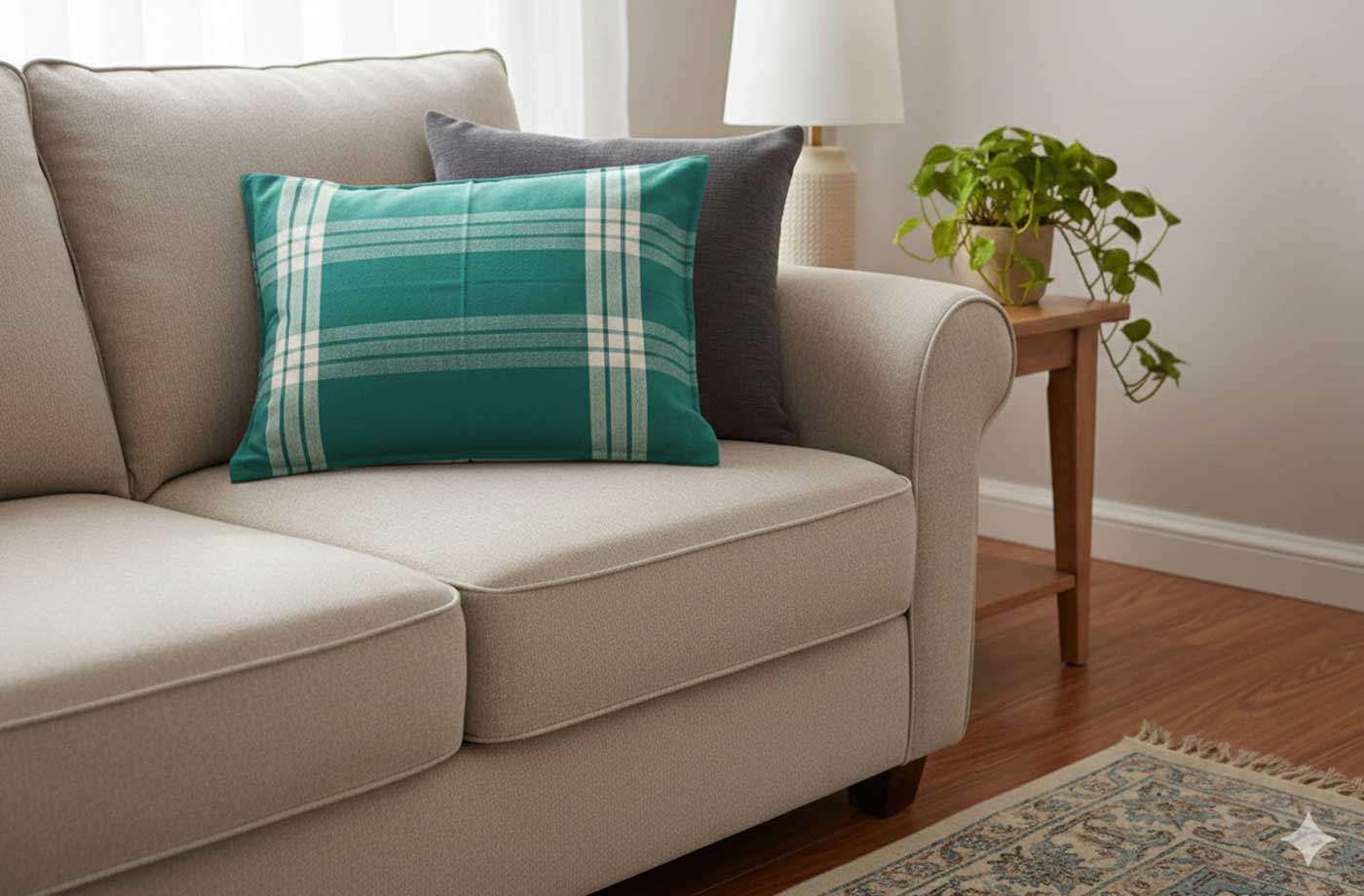
Choosing the Right Blanket: Understanding Fabric, Weight and Comfort
Selecting the right blanket goes beyond just appearance. Fabric quality, weight and seasonal suitability play a major role in ensuring comfort and durability. Lightweight blankets are ideal for warm climates and everyday use, while thicker blankets provide warmth during colder months. Cotton-based blankets offer breathability and softness, making them suitable for hospitals and homes alike….
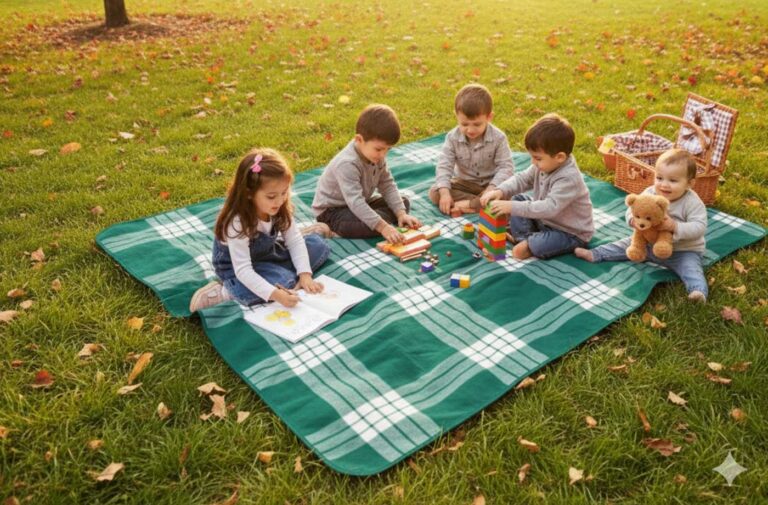
Baby Clothing and Fabrics: Why Softness and Safety Matter Most
Baby textiles require special attention to fabric selection and manufacturing processes. Softness, breathability and skin safety are essential since babies have delicate and sensitive skin. Natural fibers with gentle weaving reduce irritation and allow proper air circulation. Durability is also important as baby clothes and blankets are washed frequently. High-quality baby fabrics offer comfort while…
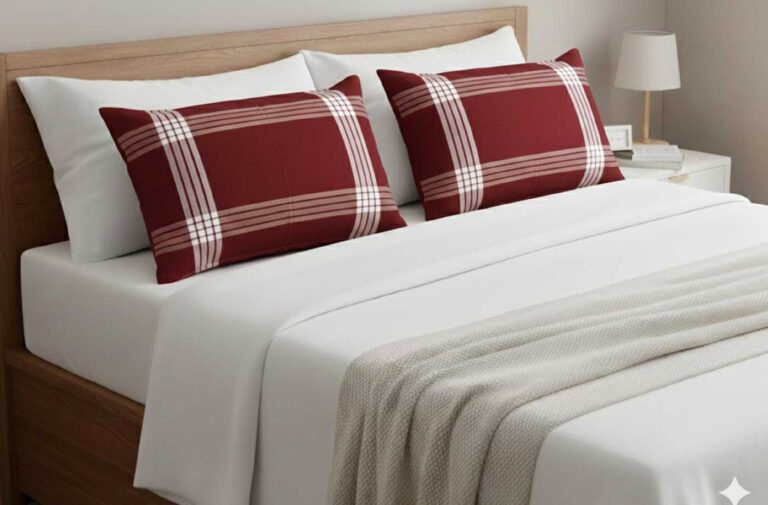
Preserving Traditional Indian Wear Through Modern Manufacturing
Dhothi, gamcha and lungi are timeless garments that represent India’s cultural identity and everyday practicality. These traditional textiles are valued for their comfort, breathability and versatility. Modern manufacturing helps preserve these garments by improving fabric consistency, finishing and availability without altering their traditional essence. Today’s consumers seek authentic products that also meet modern quality expectations….

Why Hospital Textiles Demand Superior Quality and Hygiene Standards
Hospital textiles are not ordinary fabrics. They must meet strict requirements for hygiene, durability and patient comfort. Bedsheets, blankets, towels and baby clothing used in healthcare environments undergo frequent washing and sterilization. This demands strong fibers, consistent weaving and high-quality finishing. Softness is equally important, as patients often have sensitive skin. Poor-quality hospital textiles can…
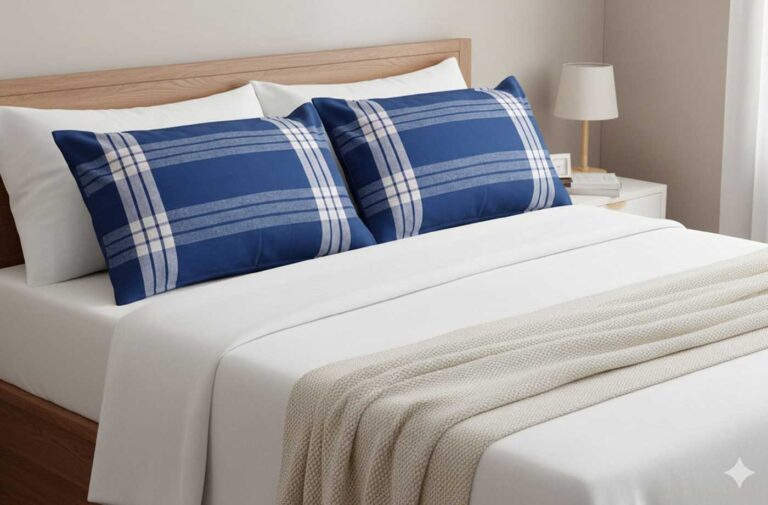
The Timeless Art of Weaving: How Traditional Craft Shapes Modern Textiles
Weaving is one of the oldest crafts known to humanity, deeply rooted in Indian culture and daily life. From ancient handlooms to today’s advanced textile units, the core principles of weaving remain unchanged — patience, precision and skill. Traditional weaving techniques continue to influence modern textile manufacturing by offering superior fabric strength, breathability and comfort….